
The most beautiful autumn walks in the Zaan region

Fresh air, changing colours of the leaves and that characteristic soft autumn light over the Zaan and the nature reserves: autumn is perhaps one of the most beautiful seasons to explore the Zaan region on foot.
Be sure to look up as you walk. Scattered throughout the Zaanstreek are surprisingly old and remarkable trees, some of which have been part of the Zaanstreek streetscape for over two centuries. At the bottom of this blog, we’ve listed the most remarkable (monumental) trees.
Gortershoek and Domineestuin: a walk through historic Zaandijk in the Zaan region
Anyone walking through the Gortershoek and the Domineestuin will get a wonderful glimpse of old Zaandijk. Here, you’ll walk past characteristic wooden houses, narrow streets and green gardens, with views of the River Zaan from various spots.
It is precisely in autumn, when the trees change colour and the streets become a little quieter, that the historic atmosphere of this neighbourhood really comes into its own.
It’s best to go for a walk on a Friday, Saturday or Sunday. That way, you can also pop into the ‘ Honig Breethuis ’ along the way, where you can discover how a well-to-do merchant family from the Zaan region lived around 1830.
And after all that walking? For beer lovers, HOOP Brewery is a lovely place to round off the day with an autumn bock beer.
View the Oud-Zaandijk walk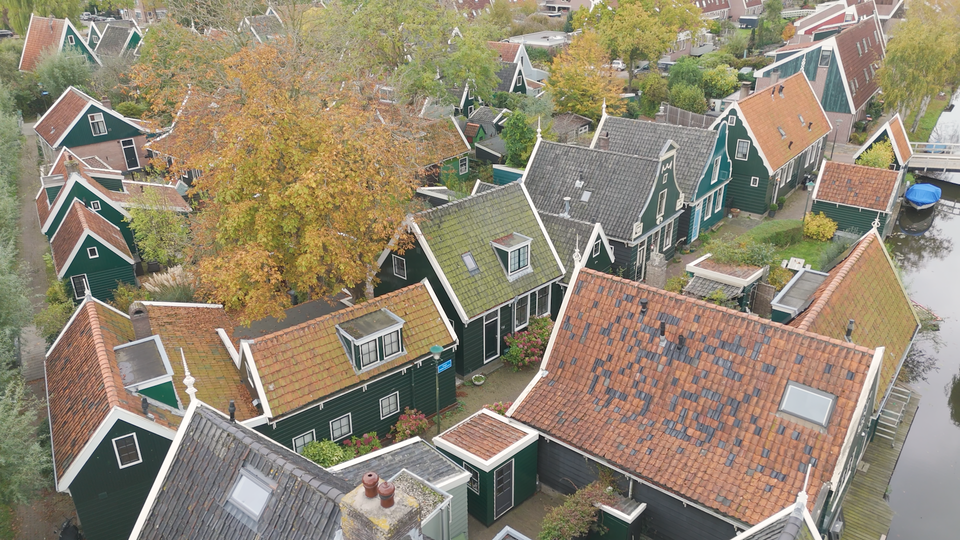
City Restoration Route: monuments along the Zaan
If you love historic heritage, the Stadsherstelroute is the perfect choice. This route takes you past remarkable buildings, monuments and places that tell the story of the Zaanstreek’s development.
The great thing about this route is that you decide entirely for yourself how much time to set aside for it. Stroll leisurely from place to place and make as many stops at historic sites as you like along the way.
Fancy covering a few more kilometres? The route is also ideal for cycling. Perfect for a dry autumn day when you want to combine culture with the great outdoors.
View the Stadsherstelroute walk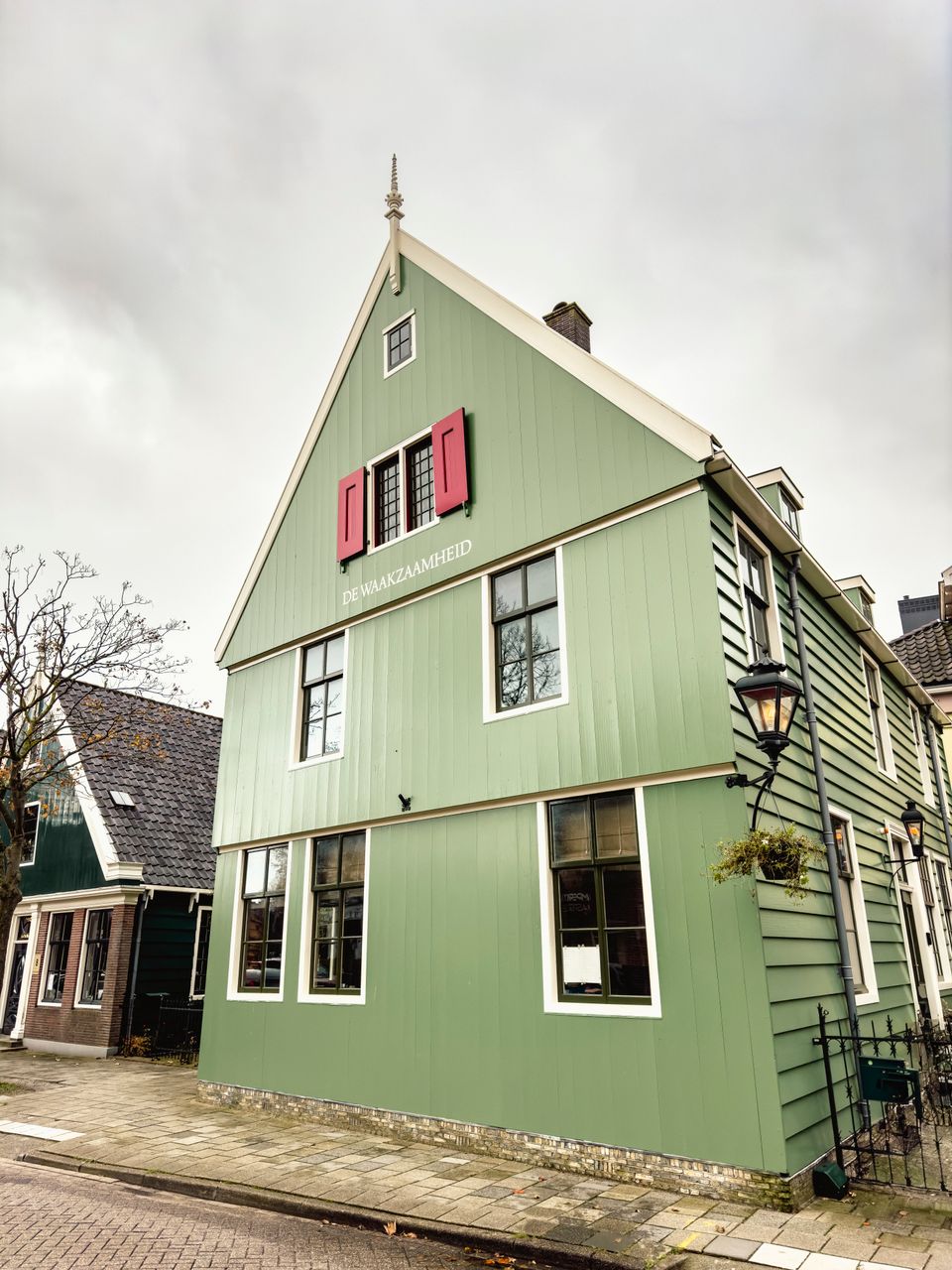
Wormer walking route: nature and industrial heritage
Can’t decide between nature and heritage? Then you won’t have to choose on this walk.
The Wormer Walking Route beautifully illustrates just how close these two places are to one another in the Zaanstreek. You’ll walk through the vast Wormer and Jisperveld, where nature slowly changes colour in autumn, whilst also passing impressive examples of the Zaan region’s industrial heritage along the way.
One moment you’re looking out over ditches, meadows and reed beds; the next, you’re standing amongst buildings that serve as a reminder of the region’s rich industrial history.
For those who enjoy a bit of variety, this might well be the ideal autumn walk.
View the Wormer walking route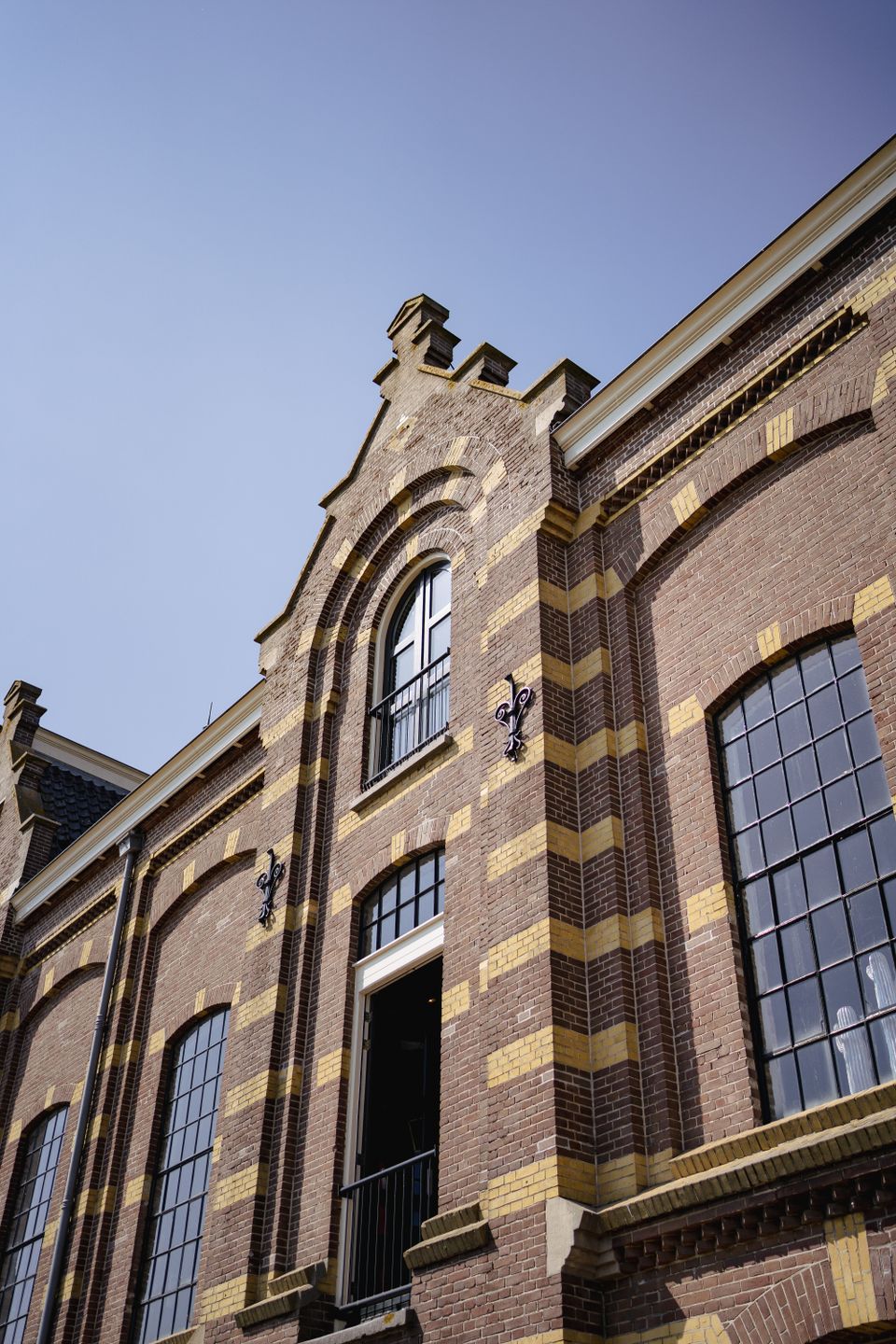
Westzaan circular walk: discovering hidden gems
Westzaan is one of those places where, whilst out for a walk or a cycle ride, you often find yourself thinking: I really must come here more often.
The village has a specially protected village view and is surrounded by the characteristic Zaan peat meadow landscape. On the ‘Rondje Westzaan’ walk, nature, history and culture constantly alternate.
Along the way, you’ll pass places you might not come across straight away if you only visit the Zaanstreek’s best-known highlights. That’s precisely why this circular walk is great for anyone who wants to see the region from a different angle. Be sure to look around carefully as you go, as Westzaan is home to several remarkable old trees. Further on in this blog, you can read where to find them.
View the Westzaan walking route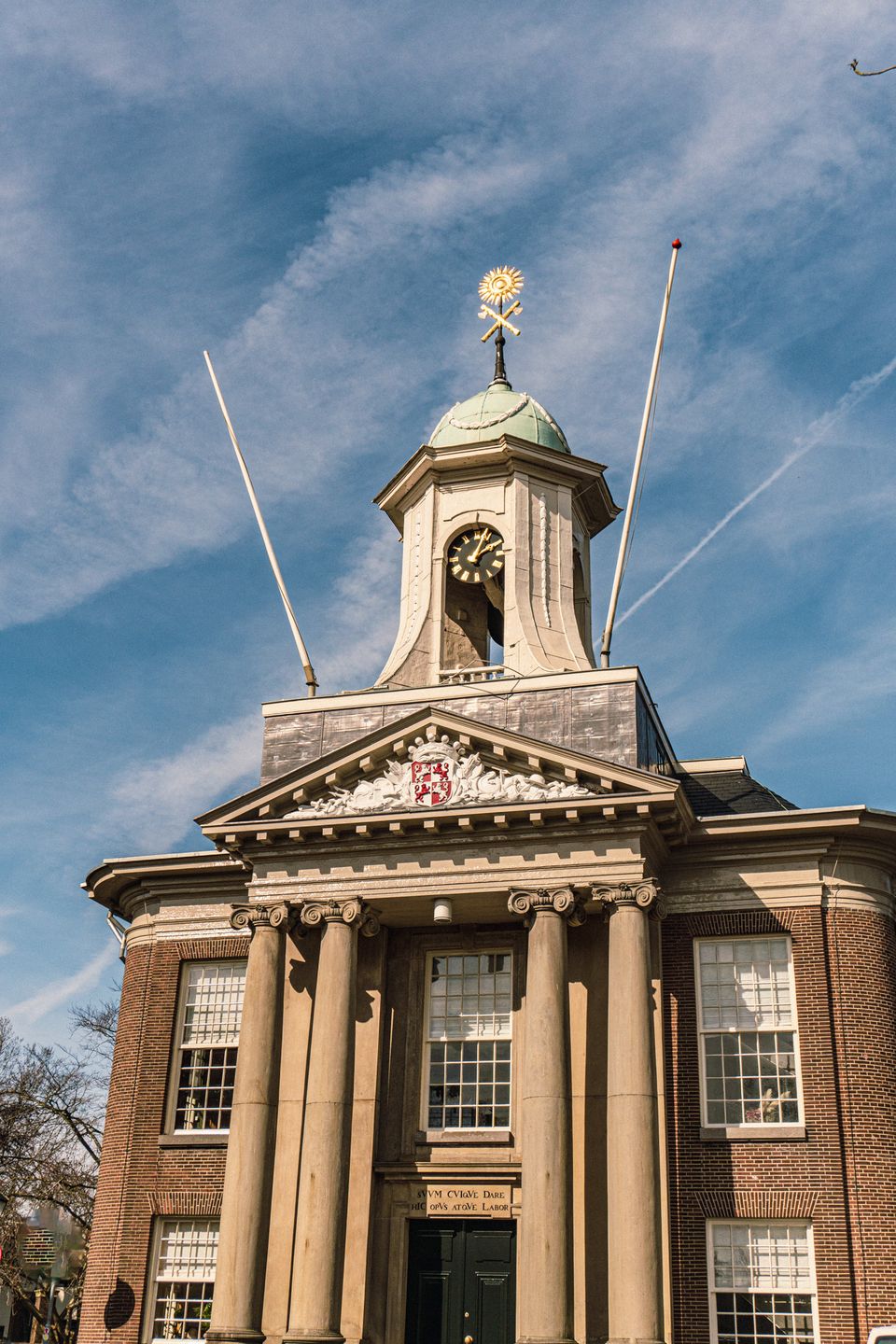
More walking routes through the Zaan region
-
Industrial Heritage
Industrial Heritage City walk
The route follows the Zaan water, past former factories that are now residential complexes. You will see villa...
(5.3 km) -
Walking route Wormer
Walking route Wormer Active and sports
The most varied walk of all 10 with both sweeping views and heritage. With out...
2 hours (7.5 km) -
The Twiske
The Twiske Active and sports
Recreatiegebied Het Twiske covers 650 ha, with water and forest. The Roemerroute runs through the Oostzan...
(3.9 km) -
The Zaanse Port area
The Zaanse Port area Active and sports
Zaandam played a major role in shipbuilding, with shipyards along the Zaan. The Hembrugterr...
(7.3 km) -
Stadsherstelroute
Stadsherstelroute Recreational
This route through the Zaan region past 42 Stadsherstel monuments is about 8.5 km long and takes 35...
(8.5 km) -
Czar Peter & Monet
Czar Peter & Monet Active and sports
Architecture, urbanism and art meet in this walk. Discover the renewed city sh...
(5.3 km) -
Twiskeroute - 16 KM
Twiskeroute - 16 KM Active and sports
Discover the beautiful nature around the capital. The Twiskeroute is the grand tour of Het Twiske e...
-
Old Krommenie
Old Krommenie Active and sports
Krommenie and Assendelft, once separated by water, now by road and rail. Assendelft: cattle. Kromm...
(5 km) -
Walk Wormerveer
Walk Wormerveer Active and sports
Wormerveer, with its open waterfront and homes along the Zaan, offers lively specialist shops and quiet...
(6.3 km) -
Schaalsmeerpolder walking route in the Wormer-en Jisperveld
Schaalsmeerpolder walking route in the Wormer-en Jisperveld Active and sports
Between Oostknollendam and Wormer, you can walk right through the beautiful Wormer and Jisperveld: the vast...
1 hour 29 minutes (4.4 km) -
Twiskeroute - 16 KM
Twiskeroute - 16 KM Active and sports
Discover the beautiful nature around the capital. The Twiskeroute is the grand tour of Het Twiske e...
-
Zaans Erfgoed
Zaans Erfgoed Active and sports
The Zaanse Schans, opened in 1972, is a top tourist attraction with historic wooden houses...
(6.1 km) -
Zaanse Landscape Painters
Zaanse Landscape Painters Active and sports
Experience the Zaans bog with meadow birds such as black-tailed godwit and lapwing. Zaanish painters Freek Engel...
(10 km) -
Gortershoek and Domineestuin
Gortershoek and Domineestuin Active and sports
The Gortershoek in Zaandijk, 'The pearl of the Zaan region,' offers fine merchant houses, a museum...
(3.8 km)


Remarkable trees in the Zaan region
When you think of autumn, you think of trees. Scattered throughout the Zaanstreek are trees that have been part of the streetscape for generations. Some are particularly special because of their age, others because of their distinctive species or impressive appearance. Here are a few fine examples to make a point of seeking out during a walk:
Assendelft
- Bergiep – Dorpstraat 123 (1900) – Part of Dorpstraat for over a century.
- White horse chestnuts – Dorpstraat 77, 79 and 211 (1930) – Three stately chestnut trees that blend beautifully with the historic streetscape.
- Common ash trees – Dorpstraat 191 and 230 (1933) – Two old ash trees that have been a feature of the streetscape for decades.
- American tulip trees – Industrieweg 15 (1967) – Particularly special due to their striking species and imposing appearance.
Krommenie
- Common lime tree – Noorderhoofdstraat 46 (1816) – A real veteran: this tree has stood here for over two centuries.
- English oak and London plane – Zuiderhoofdstraat 59 (1931) – Two striking old trees in one spot.
- Common plane tree – Weiver 39 (1937) – A large, iconic tree in the centre of Krommenie.
- Common ash – Jacobushof 1 (1937) – An old specimen in a peaceful, green spot.
- Giant sequoia – Rosariumpark 4 (1957) – Perhaps the most striking of the lot: large, imposing and certainly not your everyday sight.
Koog aan de Zaan
- Poison tree – Boschjesstraat 115 (1907) – A remarkable, slow-growing species that has stood here for over a century.
- Oriental plane tree – Lagendijk 1 (1912) – An old and graceful eye-catcher in a historic spot.
- Common plane tree – Lagendijk 1 (1923) – Another impressive tree that blends in beautifully with its surroundings.
- Summer oaks – Hoogstraat 17 (1948) – Two sturdy oaks that together form a lovely green feature.
Zaandijk
- Brown beech – Lagedijk 116 (1917) – With its dark foliage and great age, it’s a real eye-catcher.
- White horse chestnut – Nieuwe Vaartkade 9 (1937) – A classic, stately tree in a lovely spot by the water.
- Silver maple – Zaagselpad 1 (1948) – Striking for its light foliage, which sways beautifully in the wind.
- Common ash – Domineestuin 2 (1957) – A lovely addition to one of the most atmospheric parts of Zaandijk.
Westzaan
- English oak – Nauernasche Vaartdijk 29 (1907) – An old oak tree in a spot where landscape and history come together beautifully.
- White horse chestnut – J.J. Allanstraat 382A (1907) – A stately tree that has been part of the streetscape for over a century.
- Common lime tree – J.J. Allanstraat 379 (1910) – A classic that fits perfectly into the historic village landscape.
- Common lime tree – Kerkbuurt 1 (1917) – A distinctive espalier lime tree in a charming spot.
- White horse chestnuts and plane trees – J.J. Allanstraat 463 (1937) – A striking cluster of old trees.
- Common lime trees – Zuideinde 200 and 229 (1937) – Beautiful old trees that lend the long street extra character.
Wormerveer
- Wilhelminapark (1917) – One of the park’s long-standing landmarks.
- Wilhelminapark (1918) – A rare species of tree that you don’t come across everywhere.
- Brown beech and mountain ash trees – ‘ Wilhelminapark ’ (1935) – Stately trees that lend the park an almost monumental air.
- Field maple – Wilhelminapark (1935) – A rather unassuming species, but all the more special for its age.
- Turkish hazel – Wilhelminapark (1947) – A striking and lesser-known tree species.
- White horse chestnut – Goudastraat 12 (1949) – A beautiful, stately chestnut tree that still makes a striking impression on the streetscape.
Zaandam
- Common plane tree – Westzijde 136 (1899) – One of the oldest and most remarkable trees in Zaandam, now over 125 years old.
- Common beech – Zuiddijk 144b (1915) – A stately tree that has stood in the same spot for over a century.
- English oak – Westzijde 396 (1924) – An old, sturdy oak that has stood the test of time well.
- Swamp cypress – Westzijde 88 (1935) – A striking species that immediately catches the eye, particularly due to its shape and foliage.
- Common plane tree – Westzijde 22 (1935) – A stately tree that adds greatly to the green character of the street.
- White horse chestnut – Kalf 124a (1937) – A large, classic chestnut tree with great presence.
- Water cypress – Paulus Potterhof 42 (1957) – A distinctive species that stands out for its graceful shape and soft needles.
- Common wingnut – De Weer 25 (1975) – Broad, full of character and recognisable by its long clusters of fruit.
Swamp cypress – Oostzijde 262 (1975) – Another striking species that you don’t come across on every street corner.