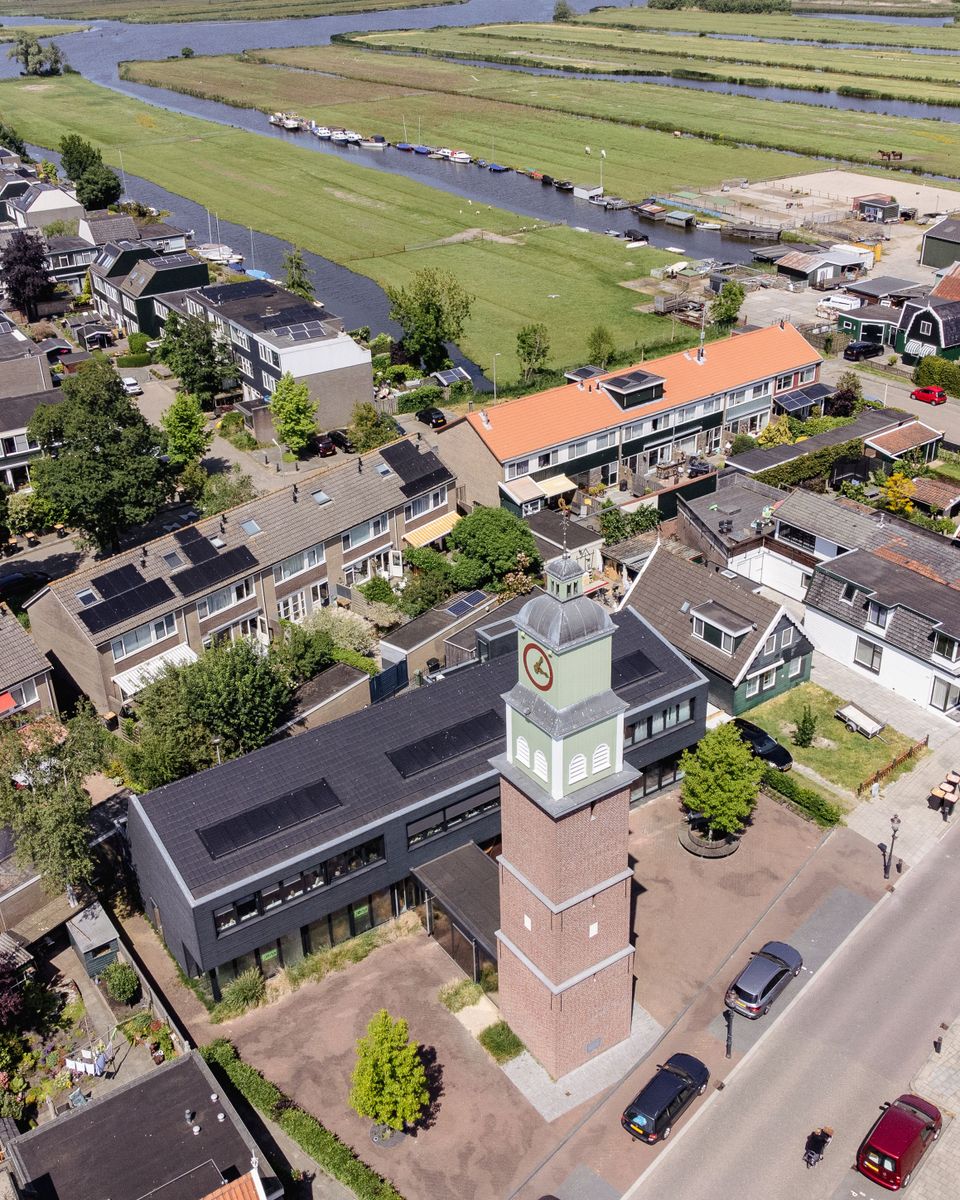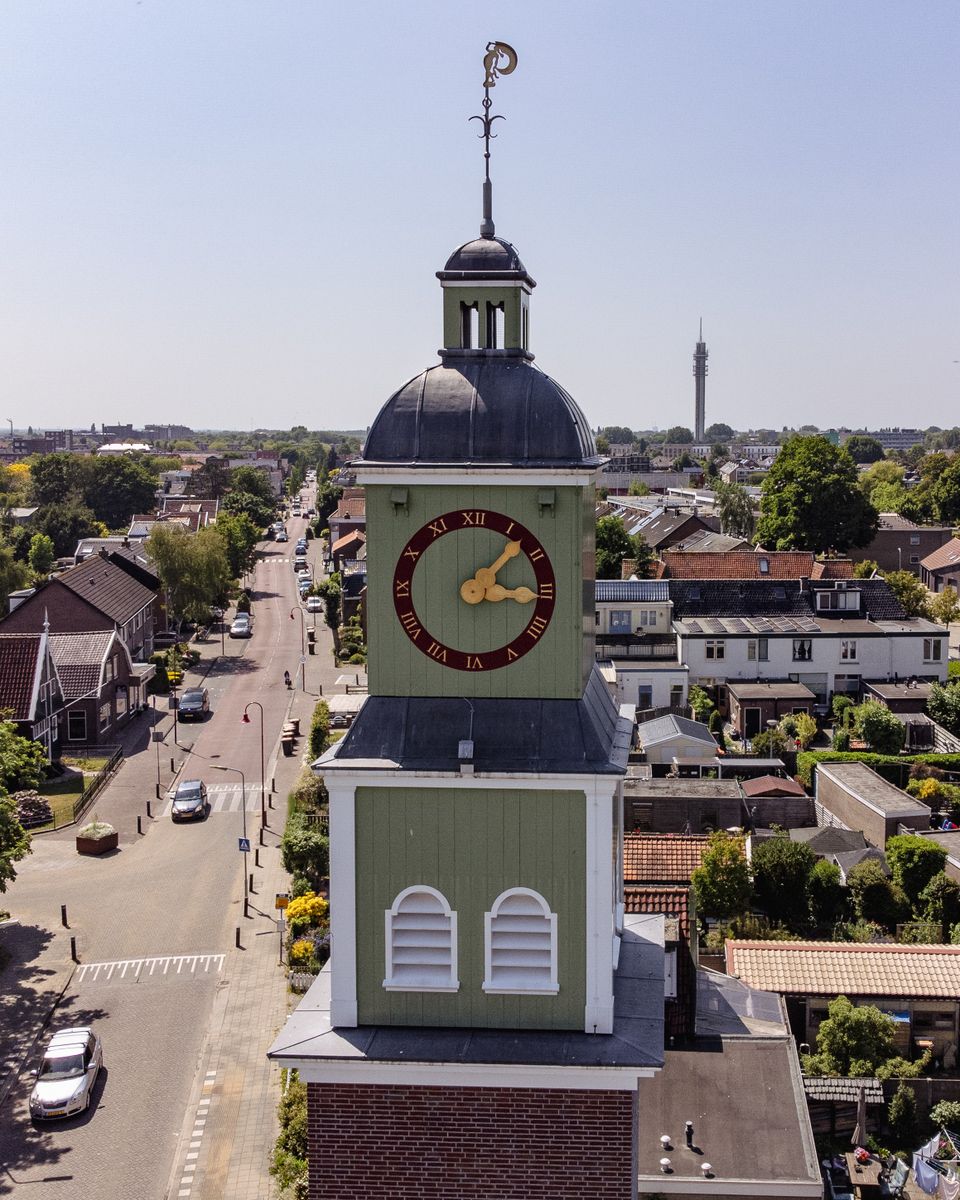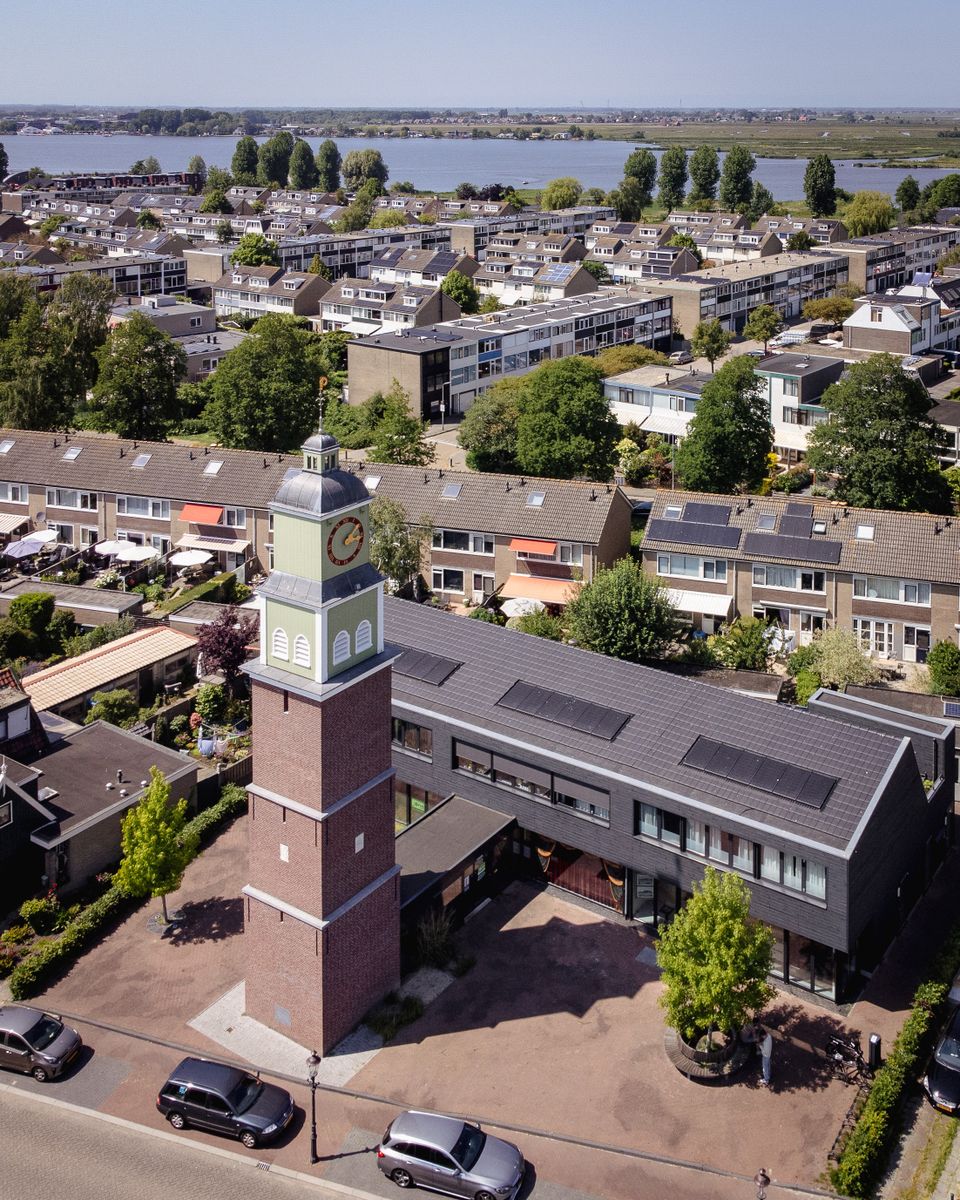
Beschuittoren Wormer
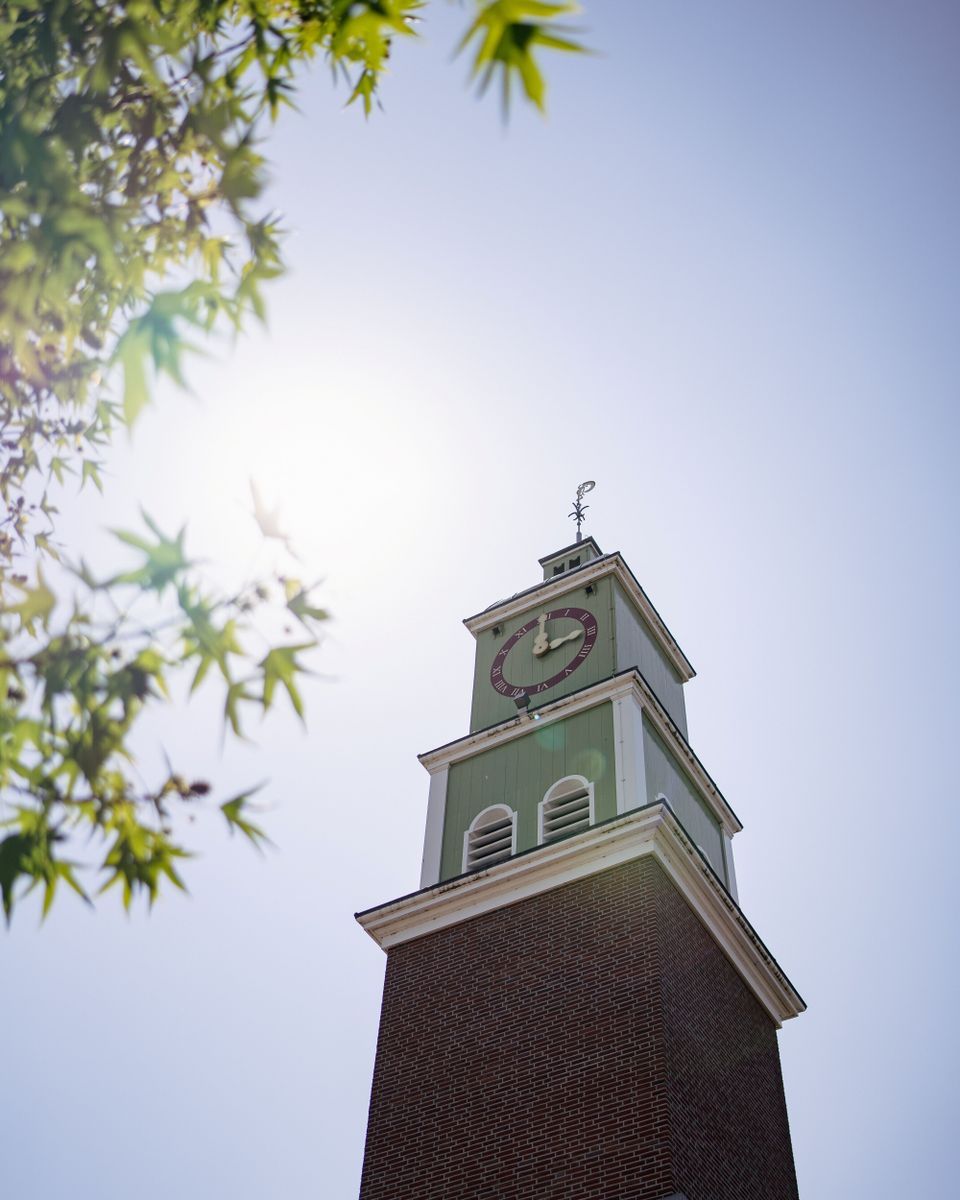
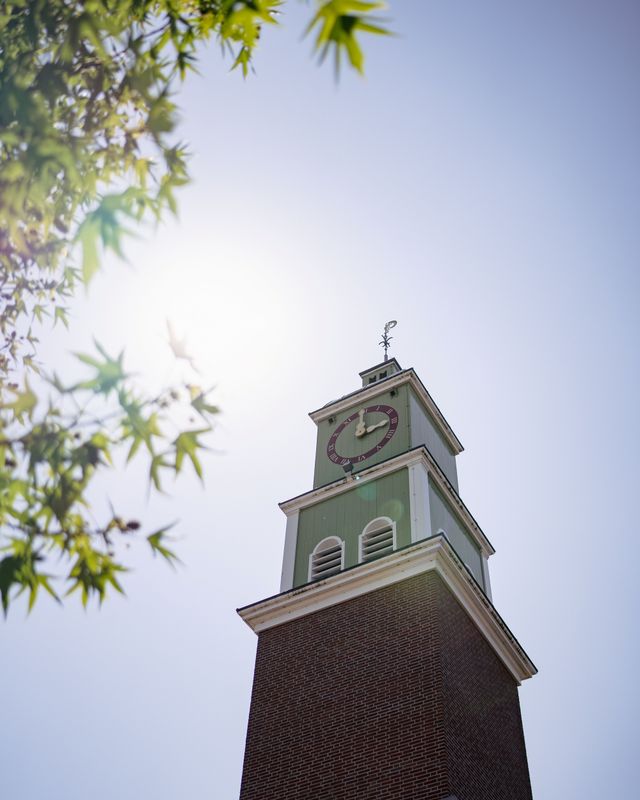
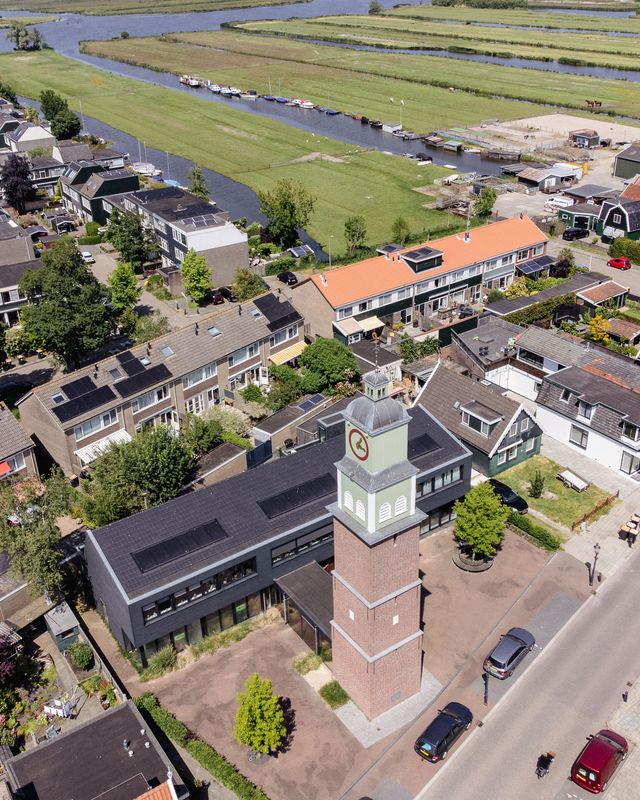
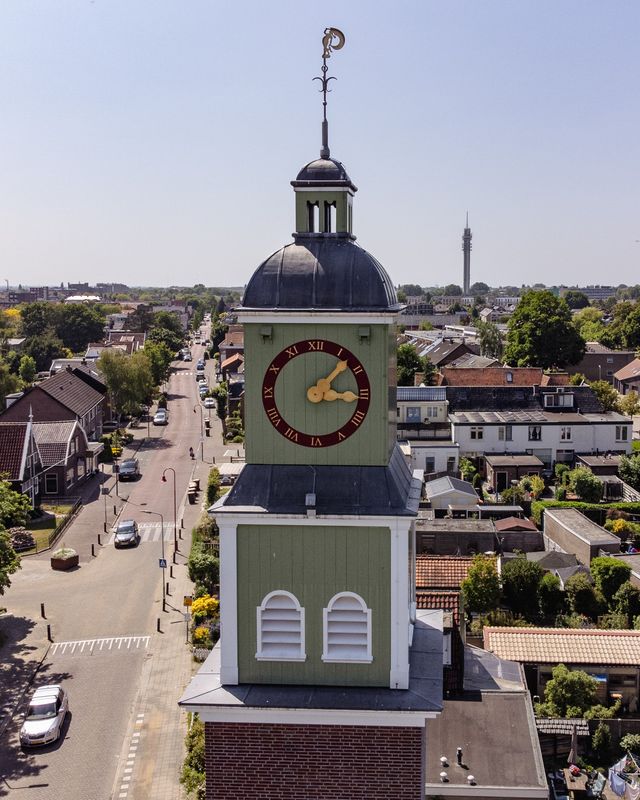
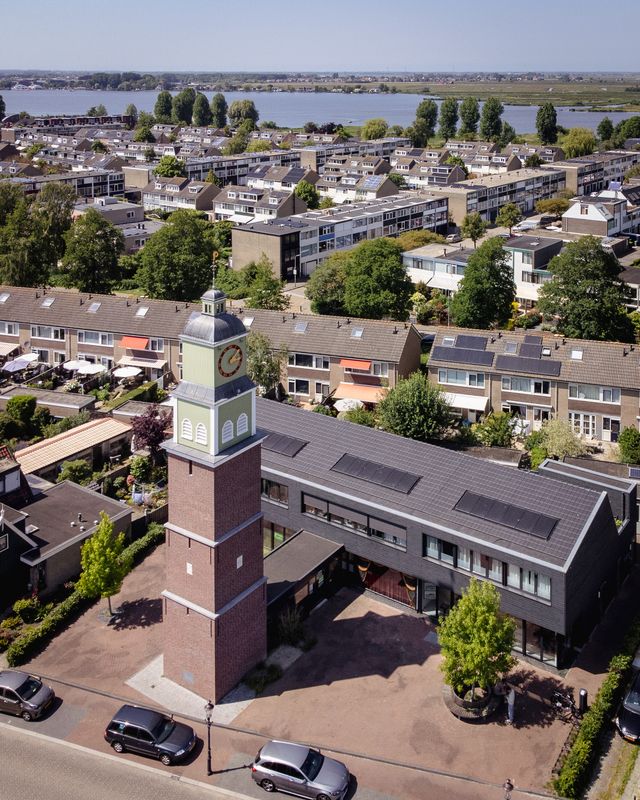
The aim of the Rusk Tower Foundation is to rebuild the tower and return a piece of cultural history to the community. The tower marks an important piece of history of Wormer/Jisp at the time of the whaling and rusk-baking industry. In the heyday (1580-1680), some 150 rusk bakeries were present, baking two-back biscuits (long-life ship rusks). These were transported by ships/barge to numerous places in our country, especially to the rusk markets in Amsterdam for ships sailing to the Baltic Sea, the East Indies (VOC) and Brazil, among others. Almost 30 mills in Wormer and surrounding villages had plenty of work to supply the bakeries with the necessary flour.
The baking of rusks took place ...
The aim of the Rusk Tower Foundation is to rebuild the tower and return a piece of cultural history to the community. The tower marks an important piece of history of Wormer/Jisp at the time of the whaling and rusk-baking industry. In the heyday (1580-1680), some 150 rusk bakeries were present, baking two-back biscuits (long-life ship rusks). These were transported by ships/barge to numerous places in our country, especially to the rusk markets in Amsterdam for ships sailing to the Baltic Sea, the East Indies (VOC) and Brazil, among others. Almost 30 mills in Wormer and surrounding villages had plenty of work to supply the bakeries with the necessary flour.
The baking of rusks largely took place in wooden buildings. To prevent fire, it was decided by the municipal council on 20 December 1605 that the fireplaces of the ovens had to remain extinguished between 18.00-24.00 to prevent overheating. After first the night watchman signalled the time signals with his radel through the village, later the church bell signalled it. However, because in the western part of the village the church bell could not be heard properly in certain wind directions, an additional detached bell tower was built in 1620. As a result of a fire in this tower, the original spire was replaced with a wooden split in 1806. On 21 March 1896, the municipal council decided to "sell for amotion" due to dilapidation and lost function.