-
Zaans Verhaal
The Zaanse story tells what makes the region unique and creates recognition among residents and visitors.
Marketing Zaanstreek opts for a conscious identity: propagating what makesZaanstreekZaans unique and continuing to ensure recognisability among residents and visitors. Research shows that recognisability of the cultural-historical aspects of a region are considered important by residents.
We propagate the Zaan identity through the Zaan story with the three individual emphases below.
Zaansmaken
The Zaan region has traditionally been a region of makers. Flavour makers (among others). Zaan mayonnaise and mustard are famous. But you probably also know the flavours of Lassie, Honig, Duyvis, Cacao de Zaan and, last but not least, Verkade.
Food is embedded in the Zaanse dna. The majority of cocoa beans imported by the Netherlands are still processed here. October, the month when the new harvest arrives, is therefore proudly called Cocoa Month.
Moreover, local entrepreneurs are increasingly coming up with new, successful Zaans flavours. The Zaan region is a region of Zaans makers. The focus is on food because history and present clearly meet here.
With this part of the story, we focus on the people who are more conscious about food, stuff and decluttering. They pay more attention to taste, craft and provenance.

Art and architecture
Those interested in urban planning, architecture and art can indulge in the Zaan region. You will find a multitude of styles here.
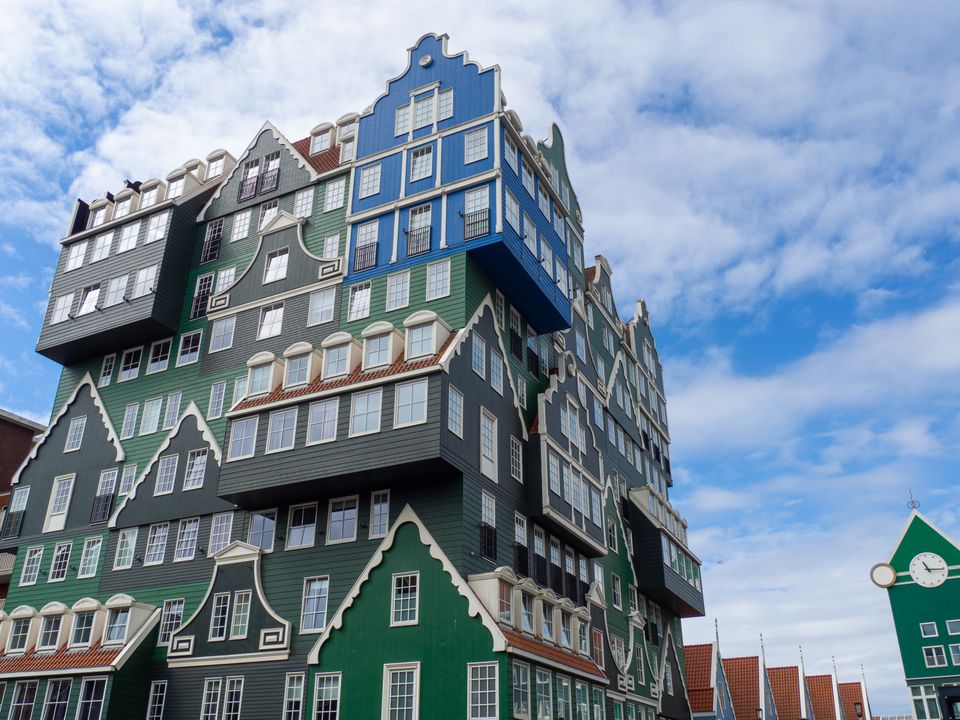
The repurposing of (industrial) heritage also captures the imagination and the timber construction of which you will come across authentic examples, but also modern interpretations. Think of the stacked houses hotel Inntel, the renovated Gedempte Gracht and the new residential areas on the west side of the railway station in Zaandam.
In addition, Zaanstad is increasingly referred to as the frayed edge of the Amsterdam region. With many artist spaces in Amsterdam and surrounding areas disappearing, more and more artist and art initiatives are moving to the Zaan region.
A region that, incidentally, has a wealth of (amateur) artists as of old and was of course great inspiration for the impressionist Claude Monet.
With this part of the Zaan story, we target lovers of architecture and art and the beautiful stories behind them. Often found in historically interesting places that in turn also have their appeal to these people within our target groups.

Industrial heritage and history
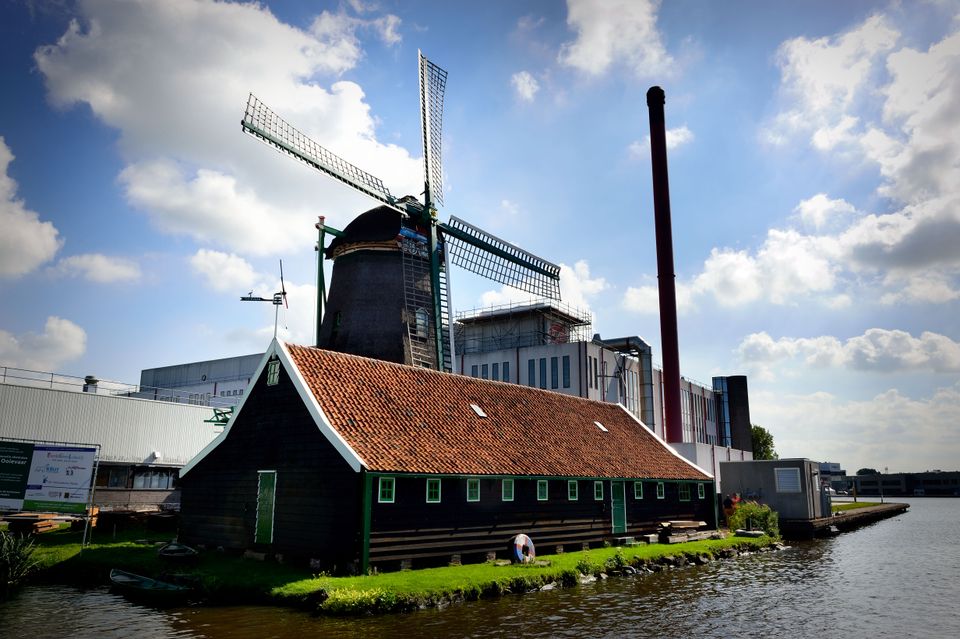
The Zaan region is one of the oldest industrial areas in Europe. It was home to hundreds of mills. The 17th and 18th centuries saw great economic prosperity.
There was no region in Europe where so many different industries could be found in such a small area. Important industries were wood processing and food processing. At one time, the Zaan region was the larder of the Netherlands.
There are still large industrial companies operating in the Zaanstreek, and even today this still creates a lot of business activity. Innovation is hard at work to still remain current and forward-looking, a trait that has traditionally made the Zaan region great.
Innovation in sustainability is important and encouraged. In addition, many empty factories and warehouses are getting a nice repurposing.
With this part of the Zaan story, we target lovers of history and industrial culture. Tales of prosperity, craft, making, ingenuity, industry, but also to enthusiasts who value contemporary innovation and sustainability.